

The first year of a child’s life is filled with incredible growth and development. During this stage, infants begin learning about the world through touch, sounds, movement, and interactions with caring adults. Every smile, conversation, and activity contributes to building the foundation for future learning.
Choosing the right infants daycare program is one of the most important decisions parents make. A high-quality program provides a safe, nurturing environment where infants receive individualized attention while developing essential physical, emotional, social, and cognitive skills. Families looking for trusted early childhood education often choose Little Thinkers, where experienced caregivers create meaningful learning experiences designed specifically for infants.
Why Early Development Matters
The first few years of life are often called the foundation of lifelong learning. During infancy, the brain develops rapidly as children begin forming connections that support language, movement, memory, and emotional development.
Every positive interaction helps infants build confidence and understand the world around them. Loving caregivers, engaging activities, and consistent routines create an environment where healthy development can flourish naturally.
What Is an Infants Daycare Program?
An infants daycare program is specially designed to meet the unique developmental needs of babies during their earliest months. Unlike programs for older children, infant classrooms focus on individualized care, sensory exploration, responsive communication, and building secure relationships.
Professional caregivers understand that every infant develops at a different pace. Daily activities are planned according to each child’s age, abilities, feeding schedule, and sleep routine while encouraging healthy growth through play and interaction.
A Safe and Nurturing Environment
Safety is the foundation of every quality infant care program. Babies need an environment where they can comfortably explore while receiving constant supervision from trained caregivers.
A quality infant learning center provides:
- Clean classrooms
- Safe sleeping areas
- Age appropriate toys
- Sanitized learning materials
- Secure entrances
- Comfortable feeding spaces
When infants feel safe and cared for, they become more confident exploring new experiences.
Building Trust Through Responsive Care
One of the most important aspects of infant care is developing trusting relationships.
Responsive caregivers pay close attention to each baby’s needs by recognizing feeding cues, comforting emotions, encouraging exploration, and providing consistent support throughout the day.
These caring interactions help infants develop emotional security while strengthening the bond between caregiver and child.
Supporting Early Infant Learning
Learning begins long before children speak their first words.
Every conversation, song, smile, and playful interaction helps strengthen brain development during infancy.
Professional caregivers encourage early infant learning by introducing activities that stimulate curiosity while supporting natural developmental milestones.
Infants experience learning through:
- Talking and singing
- Reading books
- Gentle movement
- Sensory exploration
- Music
- Tummy time
- Visual stimulation
These simple activities encourage healthy brain development every day.
Supporting Physical Development
Physical development happens quickly during infancy, with each milestone helping babies prepare for the next stage of growth. As infants gain strength and coordination, they gradually develop the skills needed for rolling over, sitting, crawling, standing, and eventually walking. A quality infants daycare program provides a safe and supportive environment where babies can practice these skills through age appropriate activities.
Experienced caregivers encourage physical development through supervised tummy time, rolling practice, sitting support, crawling activities, reaching exercises, and fine motor play.
These carefully planned experiences help strengthen muscles, improve balance, enhance coordination, and develop hand-eye coordination. Simple activities, such as grasping toys, reaching for objects, and exploring different textures, also support fine motor skill development while encouraging curiosity and independent movement.
As infants become more active, regular opportunities for movement help build physical confidence and prepare them for future developmental milestones.
By participating in daily activities designed to match their individual abilities, babies develop the strength, coordination, and mobility needed for healthy growth and continued learning.

Encouraging Sensory Exploration
Infants learn by using all five senses.
Touching different textures, hearing new sounds, seeing colorful objects, and exploring safe materials stimulate brain development while encouraging curiosity.
Sensory activities may include:
- Soft fabrics
- Musical toys
- Mirrors
- Water play
- Texture boards
- Colorful books
These experiences help infants better understand the environment around them.
The Importance of Language Development
Language learning begins from birth.
Even before speaking their first words, infants absorb sounds, recognize voices, and begin understanding communication.
Caregivers encourage language development by talking throughout daily routines, singing songs, reading stories, and responding to every attempt babies make to communicate.
These everyday conversations build vocabulary long before children begin speaking independently.
Emotional Development Through Loving Relationships
Emotional development begins during the earliest months of life. Infants learn to feel secure when caregivers respond consistently to their needs with patience, warmth, and affection. These positive interactions help babies develop trust while creating a strong emotional foundation for future relationships.
In a quality infant care program, caregivers comfort infants during feeding, playtime, and rest periods while encouraging healthy emotional growth. As babies become familiar with their caregivers, they develop confidence exploring their surroundings, knowing they have a trusted adult nearby for support.
Social Development Starts Early
Although infants are very young, they begin developing social skills from the moment they are born. They observe facial expressions, respond to voices, smile at familiar people, and gradually learn how to interact with others.
An infant child care center creates opportunities for babies to engage with caregivers and other children in a calm and supportive setting. These early social experiences help infants recognize emotions, respond to communication, and become comfortable interacting with people outside their immediate family.
The Role of Daily Routines
Infants thrive when they follow predictable daily routines. A consistent schedule helps babies feel safe while supporting healthy development in every area of growth.
A structured infants daycare program typically includes:
- Morning greetings
- Feeding times
- Learning activities
- Sensory play
- Nap time
- Story time
- Music sessions
- Outdoor walks when appropriate
These routines create stability while helping infants transition comfortably between activities throughout the day.
Supporting Healthy Sleep Habits
Sleep plays an essential role in infant growth and brain development. During sleep, babies process new experiences, strengthen memory, and support physical growth.
Quality infant care providers follow each child’s individual sleep schedule while maintaining safe sleep practices. Quiet, comfortable sleeping areas help infants rest peacefully so they wake refreshed and ready to participate in learning activities.
Consistent nap routines also help babies develop healthy sleep habits that benefit them both at daycare and at home.
Nutrition Supports Healthy Growth
Proper nutrition provides infants with the energy they need for healthy development. Feeding schedules are carefully followed according to each child’s individual needs and parents’ instructions.
Caregivers maintain open communication with families regarding feeding times, bottle preparation, and developmental changes. This consistency helps infants feel comfortable while supporting healthy physical growth and overall well-being.
Learning Through Everyday Activities
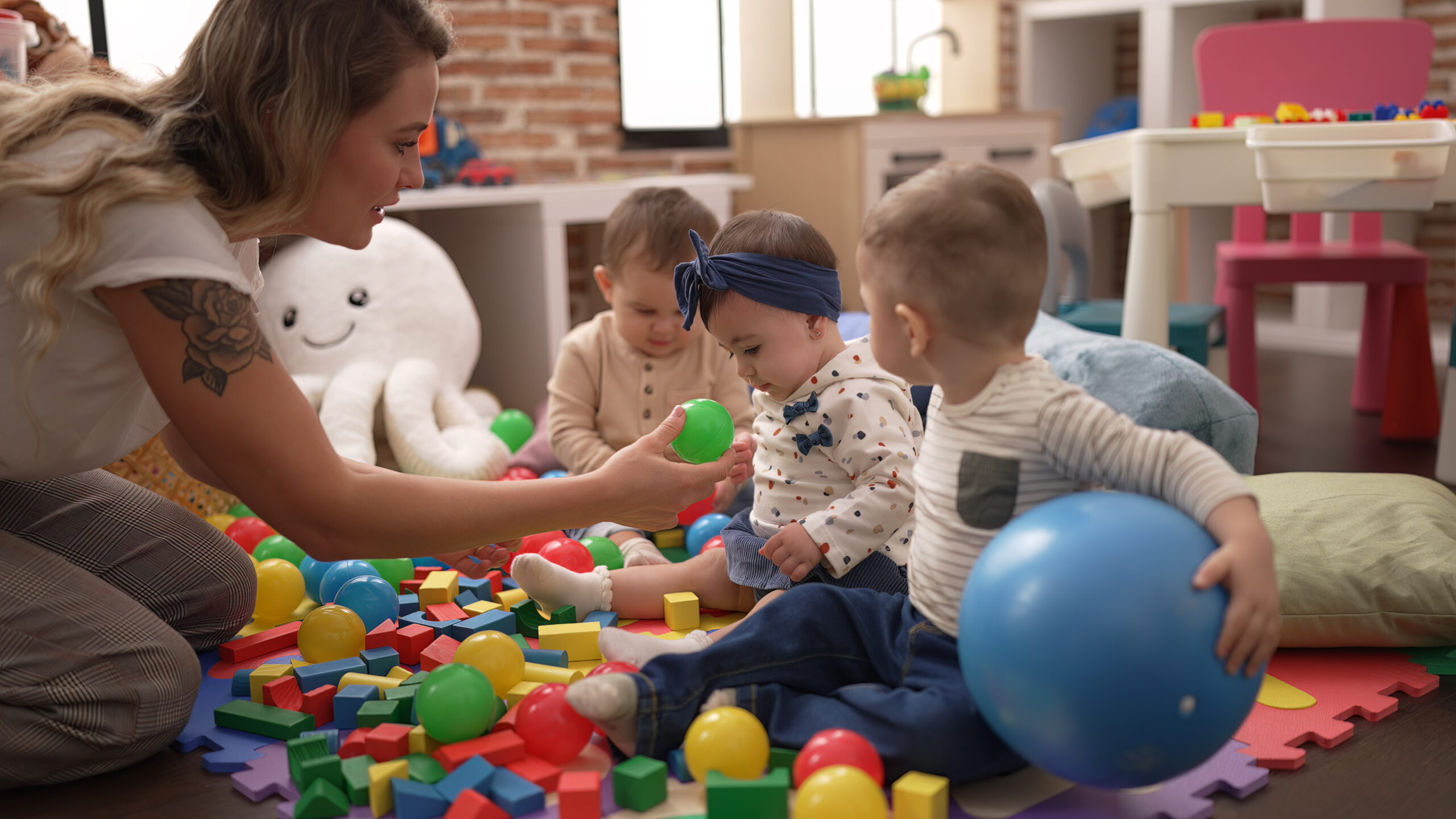
Infants learn during nearly every moment of the day. Routine activities such as diaper changes, feeding, story time, and play provide valuable learning opportunities.
Caregivers encourage development by talking to babies throughout the day, describing activities, singing songs, and introducing new words. These simple interactions strengthen language development while helping infants understand the world around them.
Individualized Care for Every Infant
Every baby develops at a unique pace. A quality infants daycare program recognizes that each child has different needs, abilities, and routines.
Professional caregivers observe each infant’s progress and adapt activities to match their developmental stage. Some babies may be learning to roll over, while others are beginning to crawl or babble. Personalized care ensures every child receives the encouragement they need to continue growing with confidence.
Age Appropriate Learning Experiences
Every activity in an infant classroom is designed to match the developmental abilities of young children. Rather than following a traditional classroom model, caregivers create engaging experiences that encourage exploration through play.
Parents can learn more about the specialized Infants at Little Thinkers program, where infants receive personalized care, sensory learning opportunities, and nurturing guidance that supports healthy early childhood development.
Consistent Schedules Build Confidence
Daily routines help infants understand what to expect throughout the day. Consistency creates a sense of comfort while allowing babies to adjust more easily to new experiences.
Families interested in understanding how structured routines support early learning can explore the Daycare Schedule at Little Thinkers, which demonstrates how balanced schedules include learning, play, feeding, and rest while meeting each child’s developmental needs.
Conclusion
Choosing the right infants daycare program is one of the best ways to support your child’s early development. A nurturing environment, caring educators, structured routines, and engaging learning experiences help infants build important physical, cognitive, social, and emotional skills during the most important stage of growth.
Whether your child is developing language skills, exploring new surroundings, or reaching exciting developmental milestones, quality infant care provides the support needed to encourage healthy learning every day. Strong partnerships between parents and caregivers further strengthen a child’s development by creating consistency between home and daycare.
If you are searching for a trusted infant learning center where your child can learn, grow, and thrive, visit the Contact Us page at Little Thinkers to schedule a tour and learn more about the infant care programs available for your family.
Frequently Asked Questions
2. How does early infant learning benefit my child?
Early infant learning encourages cognitive, language, social, emotional, and physical development through engaging activities, responsive caregiving, and daily interactions that stimulate brain growth.
3. What should I look for in an infant learning center?
Parents should look for experienced caregivers, clean and safe classrooms, individualized care, structured daily routines, open communication with families, and age appropriate learning activities.
4. How do daycare programs support developmental milestones?
Professional caregivers observe each child's progress and provide activities that encourage milestones such as rolling over, crawling, language development, sensory exploration, social interaction, and emotional confidence.
5. Why is quality infant care important?
Quality infant care provides a safe, nurturing environment where babies receive personalized attention, build trusting relationships, and develop the foundational skills needed for future learning and overall well-being.
