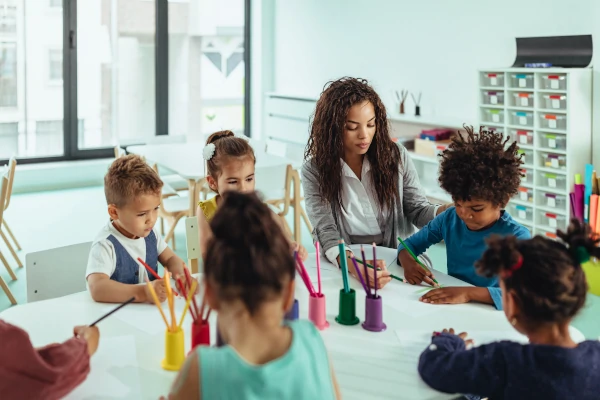
The preschool years are some of the most important years in a child’s life, even though it might not always look that way from the outside. While it may seem like your child is simply playing with blocks or coloring a picture, a lot of real learning is happening underneath the surface. This is exactly why choosing the right early learning program matters so much. A strong program does not just keep kids busy for a few hours a day, it lays the foundation for academic skills, social confidence, and emotional growth that will carry them well beyond preschool.
Many parents assume preschool is mostly about letting kids socialize before kindergarten starts, but there is actually a lot more going on. A well designed early learning program blends structured learning with hands on play, giving children the tools they need to think, communicate, and manage their emotions in healthy ways. If you are exploring options in your area, Little Thinkers is a good example of a program built around this kind of well rounded growth.
In this blog, we will walk through what makes a strong early learning program, why academic, social, and emotional development all matter together, and what to look for as you research preschool options for your child.
Why the Early Years Matter So Much
Between the ages of two and five, a child’s brain is developing faster than at almost any other point in their life. This is the window where foundational skills are formed, not just academic ones like counting and letter recognition, but also social skills like sharing and taking turns, and emotional skills like managing frustration or expressing feelings in healthy ways.
Research consistently shows that children who attend a quality early learning program tend to enter kindergarten more prepared, both academically and socially, compared to children who do not have access to structured early education. This is not about pushing kids to read early or memorize facts. It is about giving them a rich, engaging environment where curiosity is encouraged and basic skills are built naturally through play, conversation, and hands on activities.
The Three Pillars of a Strong Early Learning Program
A truly effective preschool learning program focuses on more than just one area of development. Let us break down the three main pillars that make the biggest difference.
Academic Growth
Academic growth in preschool does not look like a traditional classroom with worksheets and lectures. Instead, it happens through playful, hands on activities that introduce early literacy, math, and problem solving skills in a way that feels natural to a young child.
This might include things like counting snacks at snack time, sorting shapes and colors during playtime, listening to stories that build vocabulary, or singing songs that reinforce the alphabet. These small, repeated experiences build a strong academic foundation without making learning feel like a chore. By the time a child reaches kindergarten, these early experiences with letters, numbers, and basic reasoning skills give them a real head start.
Social Growth
Preschool is often a child’s first real experience being part of a group outside of their family. This is where they start learning how to share, take turns, resolve small conflicts, and work together with other kids their age.
These social skills are just as important as academic ones, if not more so. A child who knows how to communicate their needs, cooperate with others, and handle small disagreements is much better prepared for the structured, group based environment of elementary school. Preschool learning programs create countless small opportunities throughout the day for kids to practice these skills, whether that is during group activities, outdoor play, or simply sitting together at snack time.
Emotional Growth
Emotional development is sometimes overlooked, but it plays a huge role in a child’s overall success. Preschool aged children are still learning how to identify and manage their emotions, and a good early childhood learning program gives them the tools and support to do this in a safe environment.
Caregivers and teachers help children recognize feelings like frustration, excitement, or sadness, and guide them through healthy ways to express those emotions. Over time, this builds emotional resilience, which helps children handle challenges and changes with more confidence as they grow older.
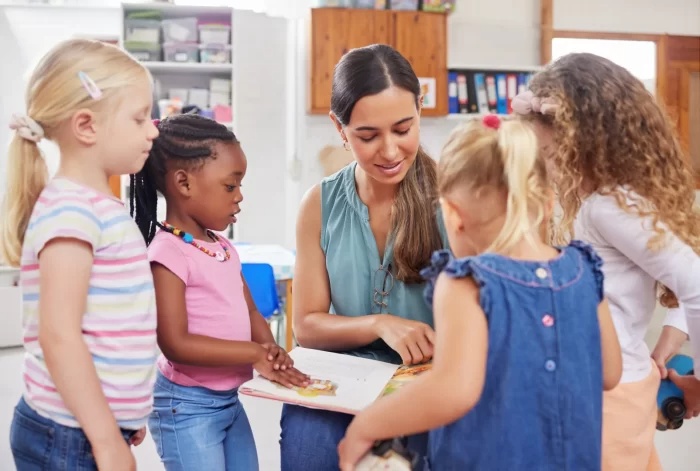
How a Daily Routine Supports All Three Areas of Growth
One of the most overlooked parts of a strong preschool program is the daily routine. A predictable, well structured day gives children the stability they need to explore, learn, and grow across all three areas of development.
When a child knows what to expect throughout the day, whether that is circle time, outdoor play, snack time, or quiet time, they feel more secure. That sense of security actually makes it easier for them to focus on learning, try new things socially, and manage their emotions when something unexpected happens.
If you want to see what a thoughtfully structured day actually looks like, it helps to look at a real example. The daily schedule used by Little Thinkers is a good illustration of how academic activities, social time, and quiet moments are balanced throughout the day to support well rounded growth.
What Makes Preschool Learning for 3 Year Olds Different
Preschool learning for 3 year olds looks a little different than programs for older preschoolers, and for good reason. At this age, children are still building basic communication skills, learning to follow simple instructions, and figuring out how to interact with peers in a group setting.
Programs designed for 3 year olds tend to focus heavily on:
- Building vocabulary through storytelling, songs, and everyday conversation.
- Fine motor skills through activities like drawing, stacking, and simple crafts.
- Basic self help skills, like washing hands or putting away toys.
- Short, structured activities that match a 3 year old’s attention span.
- Plenty of hands on, sensory based play, which helps this age group learn best.
As children move through the preschool years, activities naturally become more structured and academically focused, but the foundation built during these early years matters a lot. A learning center that understands the specific needs of 3 year olds, rather than treating every preschool age the same way, tends to set children up for a much smoother transition into more structured learning later on.
Signs of a Quality Early Learning Program
With so many options out there, it can be tough to know what actually separates a strong program from an average one. Here are a few signs worth looking for.
A clear, balanced curriculum.
Ask to see how a typical day or week is structured. A strong program balances academic activities with free play, social time, and quiet moments.
Low child to teacher ratios.
Smaller groups allow teachers to give more individual attention, which makes a big difference in how well children absorb new skills.
Trained, consistent staff.
Consistency matters a lot for young children. Ask how long teachers typically stay in their roles, since familiar faces help children feel secure enough to take learning risks.
A focus on play based learning.
Look for a program that treats play as a genuine learning tool rather than just free time between lessons.
Open communication with parents.
A good preschool program should keep you updated on your child’s progress and be open to answering questions about their approach to learning.
A safe, welcoming environment.
The physical space matters too. Clean, organized classrooms with age appropriate materials support both learning and safety.
If you are researching a specific preschool program near you, it is worth looking closely at how a curriculum is structured for different age groups. The preschool program offered by Little Thinkers is a good example of how a curriculum can be tailored across the two to five year old age range, supporting steady growth as children move through each stage.
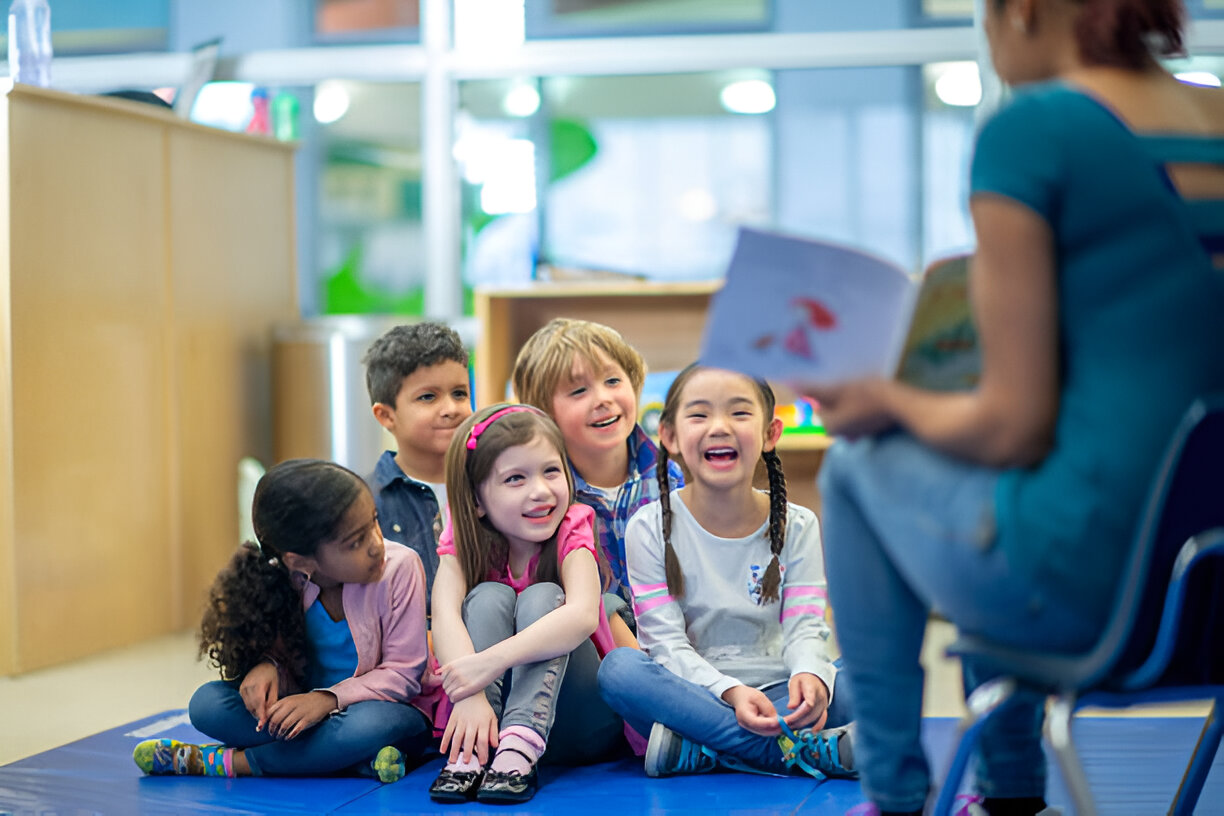
How to Prepare Your Child for Their First Early Learning Program
Starting preschool can be a big transition, both for your child and for you as a parent. A few simple steps can help make the process smoother.
Talk about what to expect.
Simple conversations about what a typical day might look like can help ease anxiety before the first day even arrives.
Practice basic routines at home.
Small habits like washing hands before meals or putting toys away can help your child feel more confident once they start their program.
Visit ahead of time if possible.
A short visit to the classroom before the official start date can help your child feel more familiar and comfortable with the new environment.
Stay consistent with drop offs.
A calm, consistent goodbye routine helps children feel secure, even if there are a few tears during the first week or two.
Communicate with teachers.
Sharing details about your child’s personality, routines, and any concerns helps teachers support them more effectively from day one.
Final Thoughts
A strong early learning program does so much more than prepare a child for kindergarten academically. It builds the social skills needed to work well with others and the emotional skills needed to handle life’s ups and downs with confidence. When academic, social, and emotional growth are all supported together, children do not just learn facts, they learn how to learn, how to connect with others, and how to believe in their own abilities.
If you are exploring early learning programs for your child and want to see how these pieces come together in a real classroom setting, it is worth reaching out directly to ask questions and schedule a visit. You can get in touch with the team at Little Thinkers through their Contact Us page to learn more about how their programs support academic, social, and emotional growth from the very beginning.
Frequently Asked Questions
Academic skills are built through hands on, play based activities like counting games, storytelling, sorting, and songs that introduce letters and numbers in a natural, engaging way. Social skills like sharing, cooperating, and resolving small conflicts are just as important as academic skills, since they prepare children for the group based environment of elementary school. Teachers guide children through recognizing and expressing their feelings in healthy ways, which builds emotional resilience and confidence over time. Programs for 3 year olds tend to focus on vocabulary building, fine motor skills, self help habits, and short, hands on activities suited to their attention span. Visit in person, ask about the daily schedule, observe how teachers interact with children, and make sure the program balances academic, social, and emotional activities. Ask about child to teacher ratios, staff experience, how the curriculum is structured for different ages, and how the program supports social and emotional growth alongside academics. 2. How does an early learning program support academic growth?
3. Why is social development important in preschool?
4. How do preschool programs help with emotional development?
5. What does preschool learning look like for 3 year olds specifically?
6. How can I tell if a learning center is a good fit for my child?
7. What should I ask during a tour of a preschool program?
