
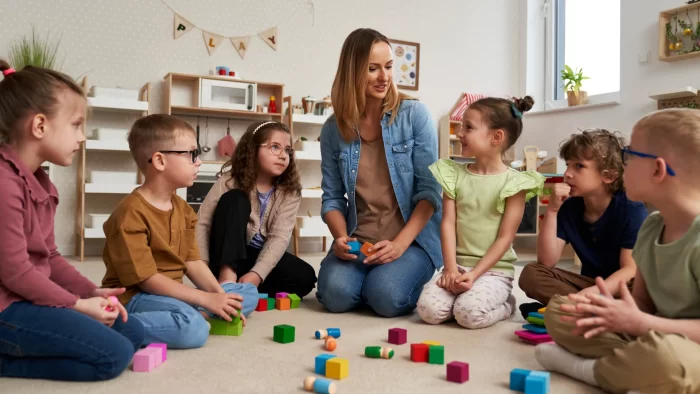
Choosing the right daycare is one of the most important decisions parents make during their child’s early years. A nurturing and engaging environment helps children build confidence, develop essential life skills, and prepare for future academic success. Quality daycare services provide much more than supervision. They create opportunities for children to learn, explore, and grow every day.
Parents often look for a daycare that offers a safe environment, experienced educators, and age-appropriate learning activities. At Little Thinkers, families can find programs designed to support every stage of early childhood development while encouraging curiosity, creativity, and independence.
Why Quality Daycare Services Matter
The early years of life are a critical period for growth and development. During this time, children develop language, motor skills, emotional awareness, and social abilities that influence future learning.
Quality Daycare Services provide structured routines and engaging activities that encourage children to discover new skills in a supportive environment. Professional caregivers understand how to guide children through different developmental stages while making learning enjoyable.
Children who attend a quality daycare center often gain valuable experiences that prepare them for preschool and elementary school.
Building Strong Foundations During Early Childhood
Every experience during early childhood plays an important role in shaping a child’s growth and development. Positive interactions with caregivers, creative play, and guided learning activities help children build the skills they need for future success.
During these early years, children are naturally curious, making it the perfect time to introduce new experiences that encourage learning and exploration.
A quality daycare learning center provides a supportive environment where children can grow academically, socially, and emotionally.
Through age appropriate activities and daily routines, children learn through play, which helps them understand new concepts while making learning enjoyable. They also build confidence by completing simple tasks independently and celebrating their achievements.
As children interact with teachers and classmates, they practice communication skills, learn how to express their thoughts, and develop meaningful relationships.
Daily experiences also encourage independence as children begin making choices, following routines, and taking responsibility for small tasks appropriate for their age.
Creative activities such as art, music, storytelling, and imaginative play inspire children to explore their ideas and express themselves freely.
At the same time, puzzles, games, and hands-on learning experiences strengthen problem-solving skills by encouraging children to think critically and find solutions on their own.
These everyday learning opportunities create a strong educational foundation while helping children develop confidence, curiosity, and a lifelong love for learning that continues well beyond their early childhood years.
Encouraging Social Development
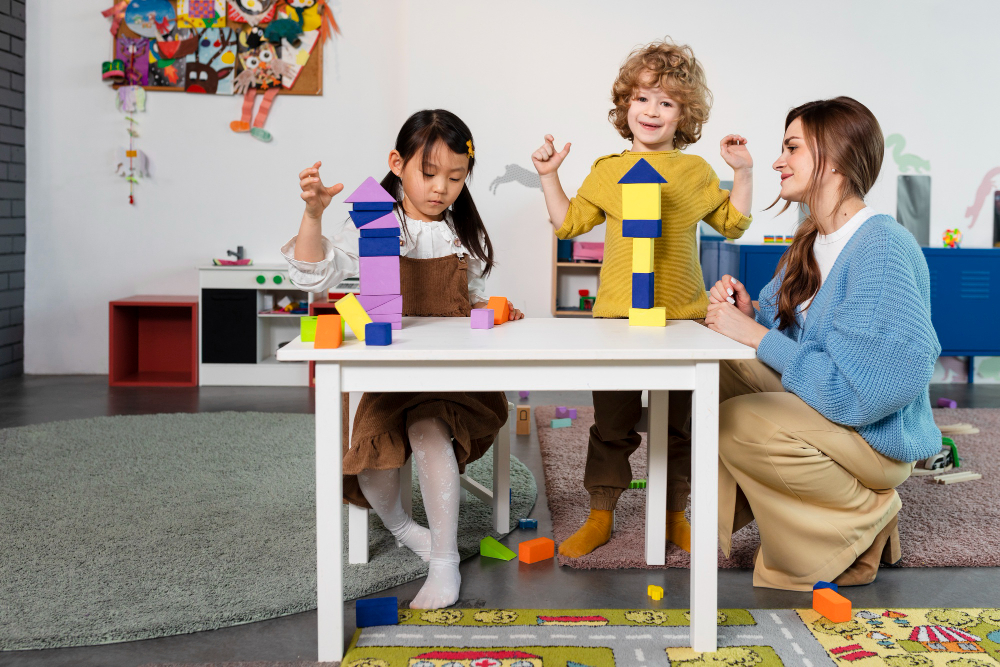
Learning how to interact with others is one of the greatest benefits of attending daycare. Children spend time with classmates from different backgrounds, giving them daily opportunities to build communication skills, develop friendships, and learn how to work together.
These social experiences help children become more comfortable in group settings while preparing them for future classroom environments.
A quality daycare learning center encourages positive interactions through group activities, games, and shared learning experiences. Under the guidance of caring educators, children learn important social skills such as sharing toys, taking turns, listening carefully, following directions, expressing their emotions respectfully, and working together with others. These everyday interactions help children understand the value of kindness, patience, and cooperation.
As children continue participating in group activities, they become more confident when communicating with both adults and peers.
They learn how to solve simple disagreements, respect different opinions, and build meaningful friendships. These social skills not only support success in school but also help children develop healthy relationships throughout their lives.
Creating Healthy Daily Routines
Young children thrive when they have a consistent daily routine. Predictable schedules help them feel safe, confident, and prepared for each activity throughout the day. Knowing what comes next reduces uncertainty and allows children to focus on learning, playing, and interacting with others in a positive environment.
A quality daycare learning center follows a structured schedule that balances education, play, meals, and rest. Daily routines often begin with welcoming arrival activities, followed by engaging learning centers where children explore new concepts through hands-on experiences.
Outdoor play encourages physical activity, while healthy meals provide the nutrition children need to stay active and focused. Rest time allows children to recharge before participating in creative activities, story time, and group learning sessions.
These consistent routines help children develop healthy habits, improve their ability to follow directions, and build a sense of responsibility. As children become familiar with the daily schedule, they gain confidence and enjoy a comfortable learning environment that supports their overall growth and development.
Learning Through Play
Play is one of the most valuable ways young children learn and develop new skills. Rather than simply keeping children entertained, purposeful play encourages exploration, creativity, and problem-solving while supporting physical, social, emotional, and cognitive development. Every playful experience provides an opportunity for children to discover something new.
Professional Daycare Services incorporate a variety of play-based activities that make learning enjoyable and meaningful. Children build creativity through art projects, strengthen communication during pretend play, improve coordination with building blocks, and develop rhythm and language through music activities. Outdoor games encourage teamwork and physical movement, while simple science exploration sparks curiosity about the world around them.
These hands-on experiences help children build confidence as they experiment, ask questions, and solve problems independently. Learning through play creates a positive educational foundation while encouraging a lifelong love of discovery and learning.
Physical Development and Active Learning
Physical development is an essential part of early childhood education because active children are better prepared to explore, learn, and grow. Quality daycare programs include a variety of movement-based activities throughout the day to support healthy physical development while making exercise enjoyable.
Children participate in age appropriate indoor and outdoor activities that strengthen balance, coordination, fine motor skills, gross motor skills, hand-eye coordination, and overall physical confidence.
Whether they are climbing on playground equipment, participating in group games, completing craft projects, or practicing simple movements, every activity contributes to stronger muscles and improved coordination.
Regular physical activity also supports healthy growth, increases energy levels, and encourages children to develop lifelong healthy habits. Combined with structured learning and social interaction, active play helps children build confidence while supporting their overall well-being and development.
Language and Communication Skills
Language develops rapidly during the first few years of life.
Children learn new vocabulary through conversations, books, songs, storytelling, and interactive activities.
Caregivers encourage communication by asking questions, reading aloud, introducing new words, and creating opportunities for children to express themselves throughout the day.
This constant interaction supports strong language development before children enter school.
Preparing Children for School Success
One of the biggest goals of quality daycare services is preparing children for future education.
Children gradually become comfortable following classroom routines while developing the independence needed for school.
Preparation often includes:
- Early literacy
- Number recognition
- Listening skills
- Classroom routines
- Group participation
- Problem solving
These experiences help children transition smoothly into preschool and kindergarten.
Infant Care Programs
Infants require gentle care, personal attention, and a nurturing environment that supports early development. Daily routines often focus on feeding, sleeping, sensory exploration, and building strong relationships with caregivers.
Parents looking for quality infant care can explore the Infants at Little Thinkers program, where young children receive personalized attention designed to encourage healthy growth, early learning, and emotional security during their first years.
Helping Wobblers Build Confidence
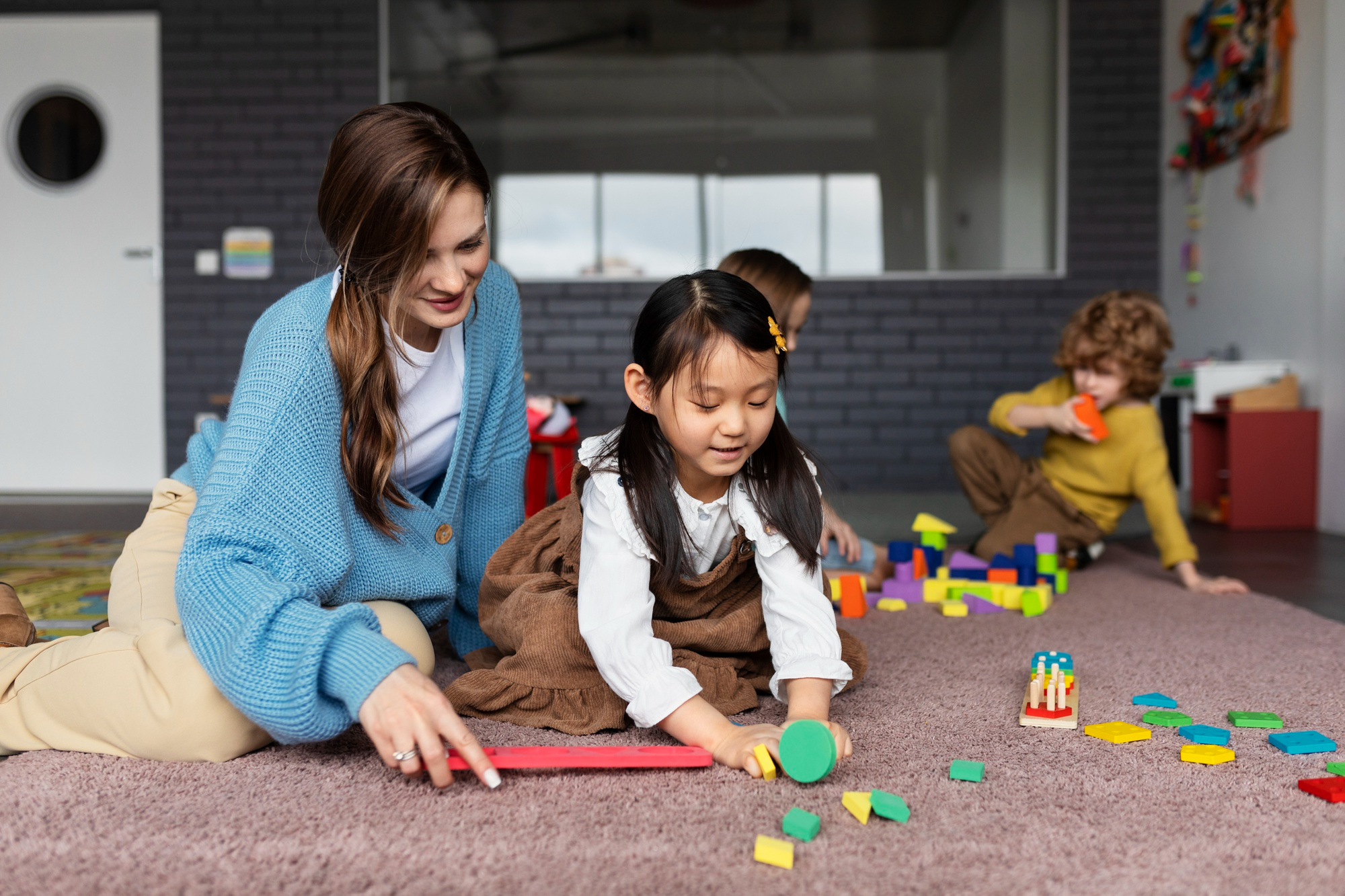
As children become more mobile, they benefit from activities that encourage movement, curiosity, and independence. Wobbler programs bridge the gap between infancy and toddlerhood by introducing children to new experiences through guided exploration.
At Little Thinkers Wobblers, children participate in activities that support physical development, language growth, sensory learning, and social interaction. The program encourages children to explore safely while building confidence through everyday learning opportunities.
Creating a Safe Learning Environment
Parents want peace of mind knowing their children are learning in a secure environment.
Quality daycare services prioritize safety through organized classrooms, age appropriate equipment, supervised activities, and established daily routines.
A safe learning environment allows children to focus on exploring, discovering, and building confidence without unnecessary distractions.
Encouraging Creativity Every Day
Creativity supports both academic and personal development.
Children express themselves through imaginative play, music, storytelling, art, and hands-on activities that encourage independent thinking.
Creative experiences often include:
- Painting
- Drawing
- Building projects
- Dramatic play
- Singing
- Dance
- Craft activities
These activities help children communicate ideas while developing problem-solving and critical-thinking skills.
The Value of Outdoor Play
Outdoor learning is an important part of childhood development.
Fresh air and active play encourage physical fitness while helping children explore the natural world around them.
Outdoor activities may include:
- Playground exploration
- Nature walks
- Ball games
- Obstacle courses
- Gardening activities
- Group games
Regular outdoor play supports healthy physical development while encouraging teamwork and social interaction.
Nutrition Supports Learning
Healthy meals and snacks provide children with the energy they need to stay active and engaged throughout the day.
Balanced nutrition supports concentration, physical growth, and overall well-being.
Many quality daycare centers encourage healthy eating habits by offering nutritious meals while introducing children to a variety of foods in a positive environment.
Conclusion
Choosing quality Daycare Services is one of the most valuable investments parents can make in their child’s future. A nurturing daycare environment supports cognitive, social, emotional, and physical development while helping children build confidence and prepare for future academic success.
Whether your child is an infant, a wobbler, or preparing for preschool, selecting a trusted daycare learning center provides opportunities for meaningful learning every day. With caring educators, engaging activities, and structured routines, children develop the skills they need to thrive both inside and outside the classroom.
If you are looking for a caring environment where your child can learn, grow, and succeed, visit the Contact Us page at Little Thinkers to schedule a tour and learn more about the programs available for your family.
Frequently Asked Questions
2. What should I look for in a quality daycare center?
Look for experienced educators, age appropriate learning programs, safe classrooms, clean facilities, structured routines, and strong communication with parents.
3. How does a daycare learning center prepare children for school?
A daycare learning center introduces early literacy, communication, problem-solving, classroom routines, and social skills that help children transition confidently into preschool and kindergarten.
4. Why is social interaction important in daycare?
Daily interaction with other children helps develop communication, teamwork, empathy, confidence, and friendship skills that benefit children throughout their lives.
5. How do I find the best daycare near me?
Research local daycare centers, schedule visits, review educational programs, ask about staff qualifications, and choose a center that provides a safe, supportive, and engaging environment for your child's growth.
