
Choosing the right preschool is one of the most important decisions a parent can make. A quality preschool provides a foundation for lifelong learning, social development, and emotional growth. For parents in Burlington, NC, finding a preschool that balances safety, stimulation, and effective learning can be a challenging task. This checklist helps parents identify what to look for when evaluating preschools in Burlington NC and ensures children thrive in their early education environment.
Why the Choice of Preschool Matters
The preschool years are critical for brain development. Children are absorbing language, social skills, and cognitive patterns at a rapid pace. Choosing a preschool that aligns with your child’s developmental needs and your family’s expectations ensures that your child:
- Feels safe and secure in their environment
- Receives age-appropriate educational stimulation
- Develops social skills and emotional intelligence
- Forms a positive attitude toward learning
A preschool is more than just a place for childcare; it’s a structured environment where foundational skills are nurtured. Parents should look beyond location or convenience and focus on programs that foster holistic development.
Key Factors to Consider When Choosing a Preschool
Selecting the right preschool involves careful evaluation of multiple aspects. The following factors serve as a practical checklist for parents seeking quality preschool Burlington NC programs:
1. Safety and Cleanliness
Safety is paramount in any early childhood setting. When visiting preschools, observe the following:
- Secure entrances and controlled access
- Clean, well-maintained classrooms and play areas
- Childproofed spaces to prevent accidents
- Staff trained in first aid and emergency response
A preschool like Little Thinkers NC emphasizes a safe environment for children, ensuring both peace of mind for parents and a secure space for exploration.
2. Qualified and Caring Staff
Teachers are the cornerstone of a preschool’s quality. Parents should consider:
- Professional qualifications in early childhood education
- Experience with age-appropriate teaching methods
- Warmth, patience, and genuine care for children
- Low teacher-to-child ratios to ensure personalized attention
A program offering certified staff, like Little Thinkers NC’s Preschool Program for ages 2-5, provides structured learning while nurturing curiosity and creativity.
3. Age-Appropriate Curriculum
A stimulating preschool curriculum should balance structured learning with free play. Look for:
- Activities that promote cognitive, social, and emotional development
- Hands-on learning experiences, including art, music, and science
- Language and literacy skill development
- Opportunities for physical activity and motor skill development
Programs that cater to the developmental stages of toddlers and preschoolers ensure children are engaged while building foundational skills for kindergarten and beyond.
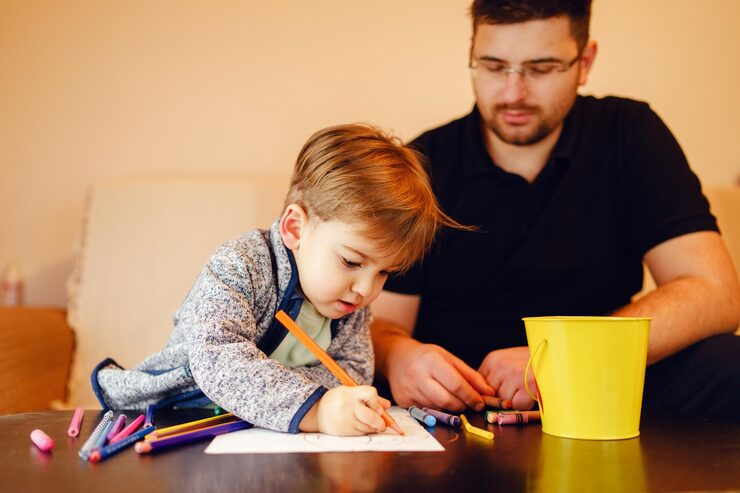
4. Classroom Environment
The physical environment of a preschool impacts learning and behavior. Key considerations include:
- Bright, welcoming classrooms with child-sized furniture
- Organized spaces with learning materials easily accessible
- Variety of play areas supporting creativity, problem-solving, and social interaction
- Quiet areas for rest or individual focus
A thoughtfully designed classroom, such as those at Little Thinkers NC, fosters independence and encourages children to explore their surroundings safely.
5. Social and Emotional Learning
Preschool is not just about academics; it’s a place for children to develop social and emotional skills. Look for programs that:
- Encourage cooperative play and teamwork
- Teach conflict resolution and empathy
- Support self-expression and confidence-building
Children thrive when they learn how to navigate social interactions in a safe and supportive environment. Parents should inquire about daily routines that promote social development.
6. Parental Involvement and Communication
A good preschool values strong communication with parents. Consider:
- Regular updates on your child’s progress
- Open-door policies for visits and participation
- Parent-teacher conferences and newsletters
- Digital tools for communication and documentation
Effective parent involvement ensures continuity between home and preschool, reinforcing learning and growth. Contact Little Thinkers NC to learn how they keep parents informed and engaged in their child’s progress.
7. Extracurricular Activities and Enrichment Programs
Enrichment activities provide additional opportunities for children to explore interests and develop new skills. Look for preschools that offer:
- Music and movement classes
- Art and creative expression
- Outdoor exploration and nature play
- STEM-focused activities for early problem-solving
Enrichment programs, when integrated with the core curriculum, help children develop a love for learning that extends beyond the classroom.
8. Nutrition and Healthy Habits
A preschool should promote healthy lifestyle habits. Key considerations include:
- Balanced snacks and meals
- Encouragement of handwashing and hygiene routines
- Adequate outdoor play and physical activity
Programs that instill healthy habits early help children develop routines that last a lifetime.
9. Flexibility and Convenience
Parents need preschool options that accommodate their schedules. Look for:
- Full-day or half-day programs
- Before and after care options
- Flexible enrollment options
Convenient scheduling ensures parents can balance work commitments without compromising the quality of care and education their child receives.
10. Accreditation and Reputation
Accreditation and positive reviews indicate a preschool’s commitment to quality standards. When evaluating preschools in Burlington NC:
- Check for state licensing and early childhood education accreditation
- Review parent testimonials and feedback
- Research the school’s history and reputation in the community
Accredited and well-reviewed preschools offer parents confidence in the quality of care and education provided.

How to Visit and Evaluate a Preschool
Visiting a preschool in person is essential. Parents can:
- Schedule a tour to observe daily routines and classroom dynamics
- Talk to staff about their teaching philosophy and curriculum
- Watch interactions between teachers and children
- Ask about safety protocols and emergency procedures
- Review documentation such as lesson plans, accident logs, and progress reports
A firsthand visit allows parents to see if the preschool environment aligns with their child’s needs. Learn more about Little Thinkers NC’s preschool programs and arrange a visit to see how they implement a safe and stimulating learning environment.
Red Flags to Watch For
While evaluating preschools, parents should be cautious of:
- Overcrowded classrooms or high teacher-to-child ratios
- Lack of structured routines or inconsistent schedules
- Poor communication with parents
- Unsanitary or unsafe facilities
Addressing these concerns early helps ensure your child’s preschool experience is positive and enriching.
Benefits of Choosing the Right Preschool
Selecting a preschool that meets safety, curriculum, and developmental criteria offers long-term benefits, including:
- Strong foundation for academic success
- Enhanced social skills and emotional intelligence
- Early exposure to structured learning and problem-solving
- Greater confidence and independence
A preschool like Little Thinkers NC focuses on providing a nurturing and educational environment that supports all aspects of a child’s growth.
Conclusion
Choosing a preschool is a decision that shapes a child’s early experiences and development. By considering factors such as safety, curriculum, staff qualifications, social-emotional learning, and parent communication, parents can find a preschool that supports both learning and personal growth. For parents in Burlington, NC, exploring options like Little Thinkers NC ensures children receive a safe, stimulating, and enriching early education experience.
Investing time in research and visiting preschools allows parents to make an informed choice, setting the stage for a lifetime of learning and curiosity.
FAQ
How can I ensure the preschool is safe for my child?
Check for secure entrances, childproofed classrooms, clean facilities, and staff trained in first aid. Visiting the preschool in person gives a clear picture of their safety measures.
What is the ideal teacher-to-child ratio in preschool?
Ratios vary by age, but generally 1:6 for toddlers and 1:10 for preschoolers is considered optimal. Low ratios ensure personalized attention and better care.
How important is curriculum in preschool?
A well-rounded curriculum supports cognitive, social, emotional, and physical development, helping children prepare for kindergarten and beyond.
Can I visit the preschool before enrolling my child?
Yes, most preschools, including Little Thinkers NC, encourage tours and parent visits to observe classrooms and interact with staff.
