Opening the Germ‑Conscious Conversation
Daycare centers are bustling hubs of learning—but they’re also prime hotspots for the spread of germs. At Little Thinkers in Burlington, NC, we believe prevention isn’t optional—it’s essential. Group settings, toys, shared spaces, and tiny hands touching everything every few seconds can fuel cycles of sniffles, fevers, and interrupted routines. But with proactive daily habits, consistent hygiene education, and smart protocols, kids stay healthier—and learning continuity blossoms.
We follow CDC guidance for childcare hygiene—and every morning we embed handwashing, cleaning routines, and illness monitoring into our daily rhythm. Curious how this all plays out in practice? Visit our blog overview on hygiene routines to see the full picture.
Understanding Guidelines from the CDC & Health Experts
Key CDC Recommendations for Childcare Centers
The CDC sets the gold standard for infection control in childcare, emphasizing:
- Rigorous handwashing: Childcare in Burlington NC staff should wash their hands regularly—especially before meals, after toileting or outdoor play, after using tissue, and post-contact with bodily fluids.
- Toy & surface sanitation: Toys shared by multiple children must be cleaned and disinfected frequently using EPA-approved solutions.
- Immunization enforcement: Staying current with vaccines helps prevent outbreaks of common childhood illnesses.
- Clear exclusion policies: Symptomatic children—running fevers, vomiting, diarrhea—should stay home until symptom-free based on prescribed guidelines.
These pillars create the backbone for controlling germ spread in care settings.
Adapting CDC Guidance at Little Thinkers Burlington
At Little Thinkers, every CDC recommendation is woven into our daily operations:
- Structured handwashing routines before snacks, meals, and after outdoor time.
- Hourly sanitizing of high-touch surfaces and toys plus daily deep cleans.
- Pre-enrollment immunization reviews to ensure compliance.
- Symptom monitoring and clear exclusion policies, with real-time parental notification.
Handwashing Protocols for Kids
Why Proper Technique Matters
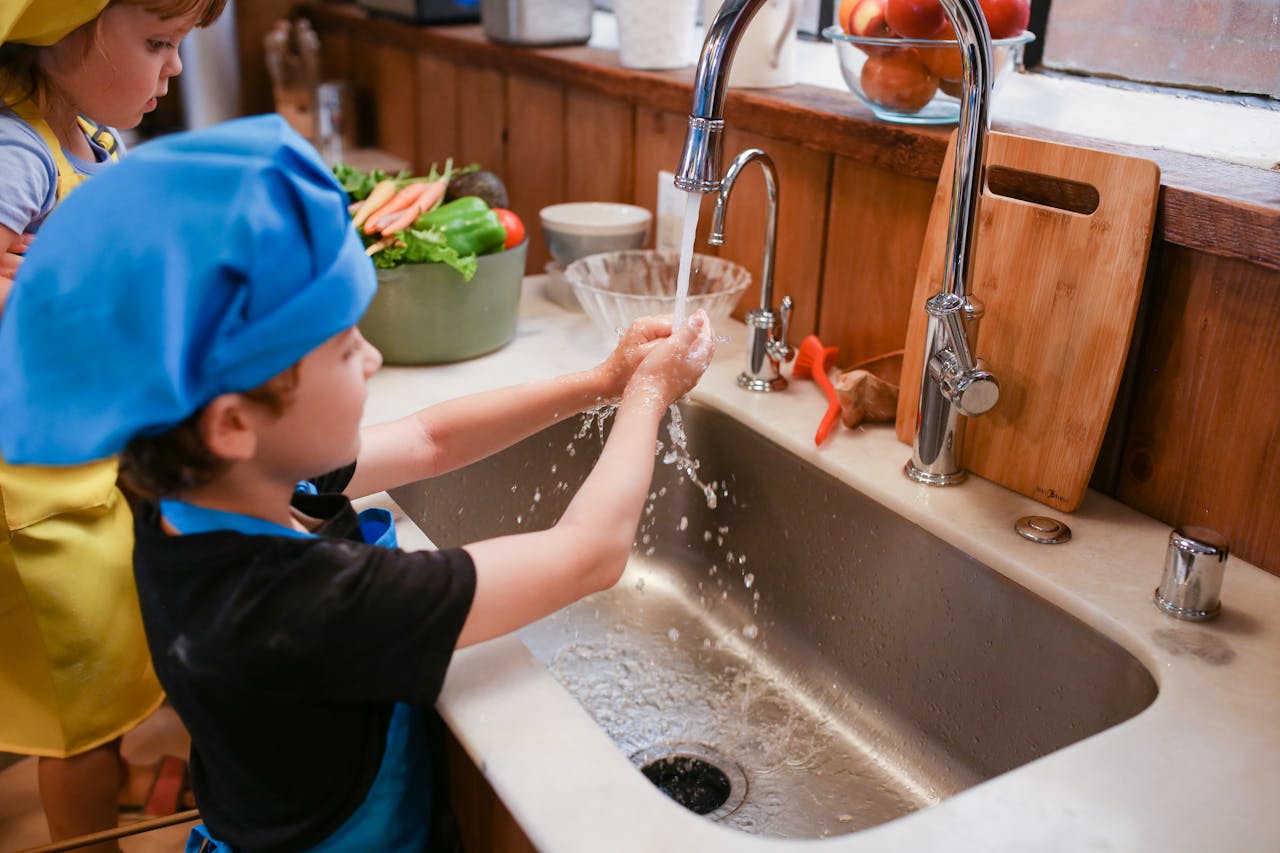
Handwashing is simple—but depth matters. CDC studies show that 20 seconds with soap removes germ-laden dirt and oils far better than a quick rinse. Singing “Happy Birthday” twice or using a fun timer helps kids scrub long enough to make a difference.
Little Thinkers’ Routine
Our classrooms follow a reliable rhythm:
- Before each meal or snack, kids wash up.
- After playing outside, before returning indoors.
- After toileting and after blowing noses.
We’ve installed child-friendly sinks and soap dispensers at reachable heights and display colorful visual cues reminding children how to scrub properly. Even staff model the behavior—singing along, counting seconds, and making hand hygiene fun.
At‑Home Reinforcement Tips
Parents play a key role too—here’s a short checklist you can use at home:
- ✅ Sing or count to 20 while washing hands.
- ✅ Wash hands before meals, after outdoor play, after sneezes/coughs.
- ✅ Teach rinsing, soap lather, and complete drying.
- ✅ Let kids help stock soap and gently reprimand when skipping steps.
Pro tip: check our Parent Resources page for a fun weekly handwashing tracker to reinforce habits at home.
Cleaning & Disinfecting Toys & Surfaces
Germ‑Safe Toys — Library vs Personal
To minimize cross-contamination:
- Little Thinkers maintains a rotation system for shared toys, removing visibly soiled toys for overnight sanitization.
- Toys brought from home must be labeled and pre-approved—and kept in the child’s cubicle. Shared-play items are cleaned daily before rotating into class for use.
Daily & Deep Clean Schedule
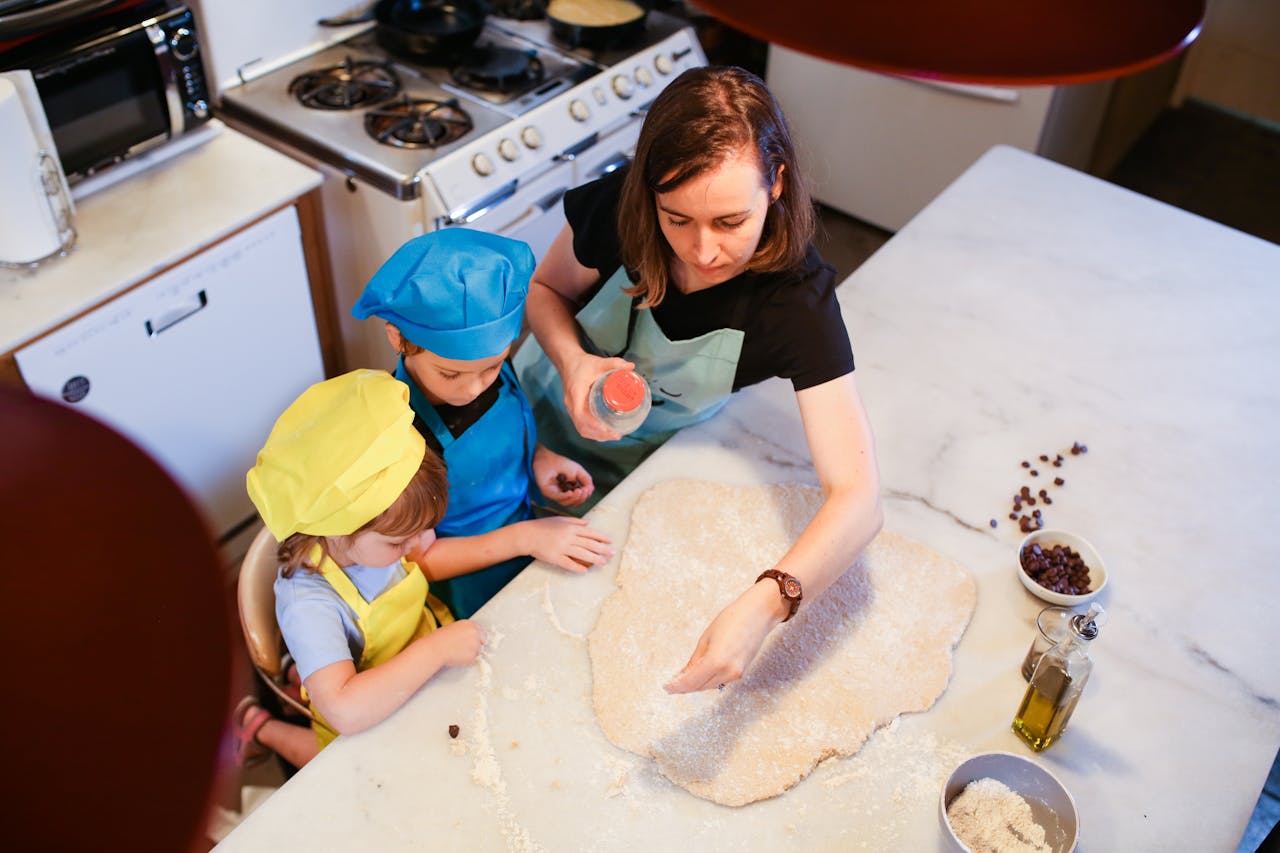
At Little Thinkers, serving families in both Burlington and nearby Elon, NC, maintaining a hygienic environment is a top priority. In our daycare Elon NC classrooms, cleanliness isn’t just a checklist—it’s a daily ritual that supports healthy learning and consistent attendance.
Our day begins with light disinfecting of surfaces—including tables, chairs, railings, and door handles—before children even arrive.
Parent Involvement & Transparency
We believe that communication builds trust. Our parent portal and blog regularly feature our cleaning checklist, tips for quick toy sanitization at home, and even time-lapse videos of our team cleaning shared space. Spot cleaning requests are welcome anytime!
Immunizations and Health Policy
Following NC Immunization Schedule
Staying current with North Carolina’s state-mandated immunization schedule is more than compliance—it’s vital to protect our entire daycare community. From DTaP to MMR, vaccines reduce daycare-acquired illnesses and are required by our admissions policy.
Enforcing a Stringent Illness Policy
We use clearly defined exclusion criteria: any child with fever (≥100.4°F), vomiting, diarrhea, or draining rash must stay home until symptom-free for at least 24 hours or cleared by a physician. Upon return, children are symptom-monitored again, ensuring both child and classroom safety. We support parents by offering flexible make-up care days where possible.
Partnerships with Local Health Officials
Burlington public health nurses conduct regular visits—and we frequently invite them for in-house staff training sessions on hygiene updates, seasonal illness prevention, and immunization reminders.
Teaching Healthy Daily Habits to Children
“Cover Your Cough” & Teach Tissues First
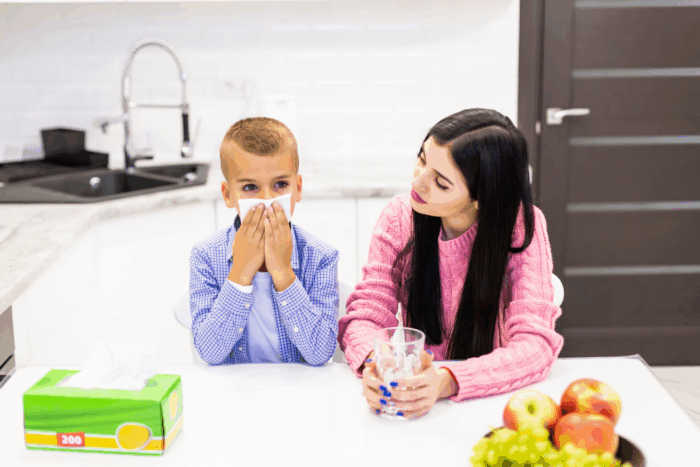
An engaging campaign at Little Thinkers includes bright posters, fun classroom songs, and teacher-led demos teaching kids to cover sneezes using arm folds—not hands. We keep tissues nearby and celebrate every child who uses proper technique!
Encouraging Personal Belongings Management
Each child has a dedicated cubby with labels for water bottles, hats, and blankets. This prevents mixing and cross-contamination, while helping toddlers learn to care for their own health.
Nutrition’s Role in Immunity
Wholesome meals are more than healthy—they support the immune system. Our CACFP-aligned menus feature fresh fruits, vegetables, whole grains, and lean proteins to boost children’s wellness. Want details? Check out our blog post “Our Meals” for full menus and ingredient lists.
Communication & Community Partnership
Parent Newsletters & Alerts
Weekly newsletters include health tips (“Handwashing heroes of the week!”), short video demos, and CDC guidance summaries each schoolyear. Parents can easily stay informed via email or push notifications.
Family Engagement Activities
We host Family Handwashing Hour events and Q&A nights with local health officials—bringing families together around wellness topics with flair, fun, and evidence-based advice.
Sharing on Social Media
Our Facebook and Instagram highlight daily healthy habits—photos of kids washing hands, sanitized toys drying, and caregiver-led hygiene songs. These posts bring transparency and reassurance to busy parents.
Measuring Success—Outcomes & Indicators
Tracking Illness Absence Rates
We track monthly sickness absence trends—and since rolling out our habit program six months ago, we’ve seen a 30% drop in colds and flu-related absences*. That means fewer disruptions to learning and greater classroom stability.
Parent Feedback & Anecdotes
Parents have shared real results:
“We’ve seen fewer sniffles this season!”
“My child knows to sing while washing now—love it.”
Hearing families celebrate healthier children reinforces our daily efforts.
Continuous Improvement Cycle
We stay up to date with the latest CDC guidance, North Carolina DHHS memos, and seasonal illness trends at our preschool in Burlington NC—adapting our health protocols as needed. Whether it’s updated disinfectant recommendations or revised exclusion policies, Little Thinkers continually evolves in step with current science to ensure the safest environment for our children.
Internal Resources & Further Reading
Want to dig deeper? Check out our related blog posts and resource pages:
- [Our Meals] – nutrition & immunity connections
- Healthy Handwashing Habits at Home
- Our Illness Policy / Enrolling & Health Requirements
Conclusion
By embedding expert hygiene habits—handwashing, sanitizing toys and surfaces, enforcing immunizations, and teaching daily routines—Little Thinkers in Burlington creates a healthier, more resilient community. We partner with parents, health officials, and CDC guidance to ensure that kids stay in class, learning uninterrupted. It’s more than prevention—it’s about positive well‑being every day.
What if my child brings in a toy or blanket?
Submit it for approval and ensure it’s labeled. We’ll store it in the child’s cubby. Shared toys go through daily cleaning and sanitization.
How do I know if my child is too sick for daycare?
Any fever, vomiting, diarrhea, new rash, or symptomatic coughing/sneezing means staying home until 24 hours symptom-free or with a doctor’s note. We’ll help notify you and support flexibility.
How often are toys disinfected?
Light cleanings happen throughout the day; deep sanitation occurs daily with EPA-registered products and nighttime soaking when needed.
Are parents involved in hygiene education?
Absolutely! Through newsletters, home checklists, Q&A evenings, and social media updates, we build a strong germ-free partnership with every family.
By taking these steps together—educators, children, and families—Little Thinkers creates a daycare environment where healthy habits flourish, germs retreat, and little learners thrive.
